2023-01-06DigMus Toolkit ReleasedAfter years of intensive work DigMus Toolkit is finally released today.Read more...
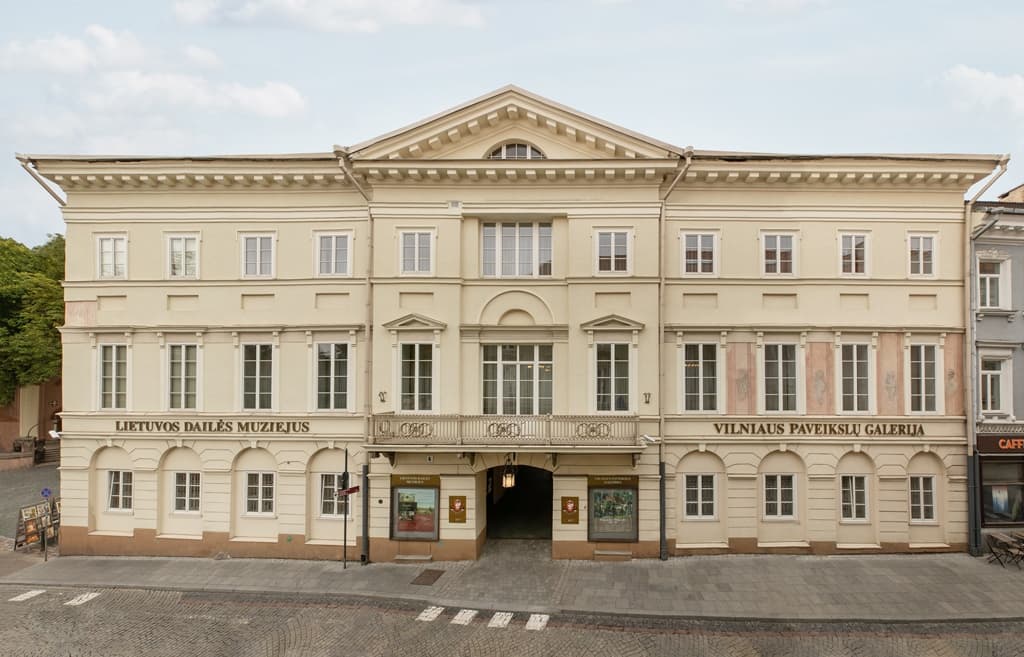
Copyright https://www.lndm.lt/2022-11-27DIGMUS Transnational Meeting In VilniusLast Monday (2022-11-21) the DigMus team arranged a transnational meeting in Vilnius.Read more...
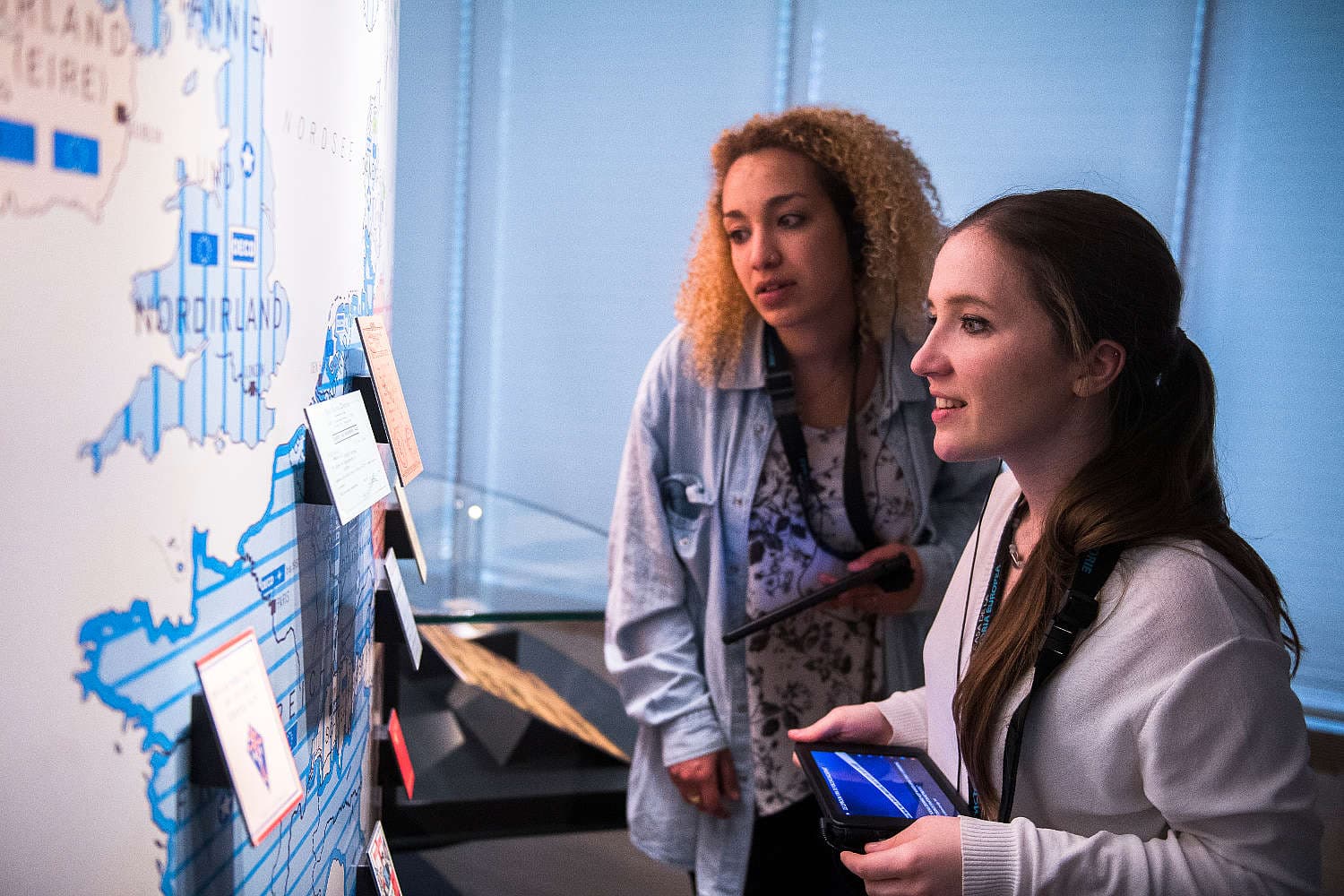
House of European History, European Union2022-05-23NEMO Webinar on collecting, curating and communicating diverse storiesOn 7 June 2022, the next free NEMO Webinar will take place from 11:00-12:00 CEST. Register now for your chance to learn how the House of European History tells a European story through both multinational and multilingual content and how the museum accommodates to such diversity.Read more...
2022-05-15Join our DigMus webinarsYou are invited to attend a series of free public webinars bringing together museum professionals, academics and policymakers to offer a professional training and discussion forum in the framework of the project: DigMus: Empowering Museum Professionals with Digital Skills.Read more...
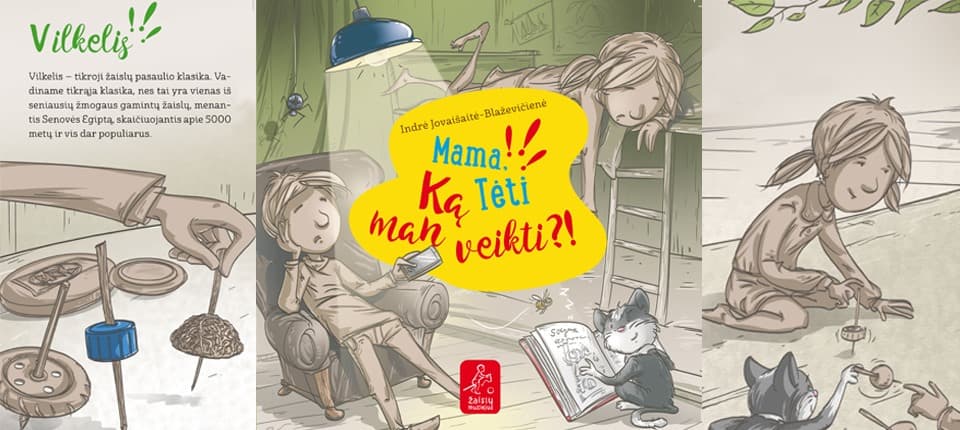
Educational toy and game book 'Mum, Dad, There's nothing to do', based on a lock-down programme on the social network FB account. Toy museum in Vilnius.2022-03-01Pandemic and digital life from the perspective of Toy Museum in VilniusThese are the insights of one small museum, which, like museums all over the world, had to figure out in one day how to live and work in the lock-down. Toy Museum in Vilnius is a very physical museum, where the topic is revealed through real play, exploring, testing and using toys and games. Otherwise, all museum exhibits become interior details, pieces of art, paintings or sculptures. The essence of the toy is not the aesthetic, but the cognitive significance of the action that takes place during play. That's why we have always perceived digital activities as an additional supporting function, but not as a substitute for the real activities that take place in the museum. However, we have also been forced to look for prompt solutions.Read more...
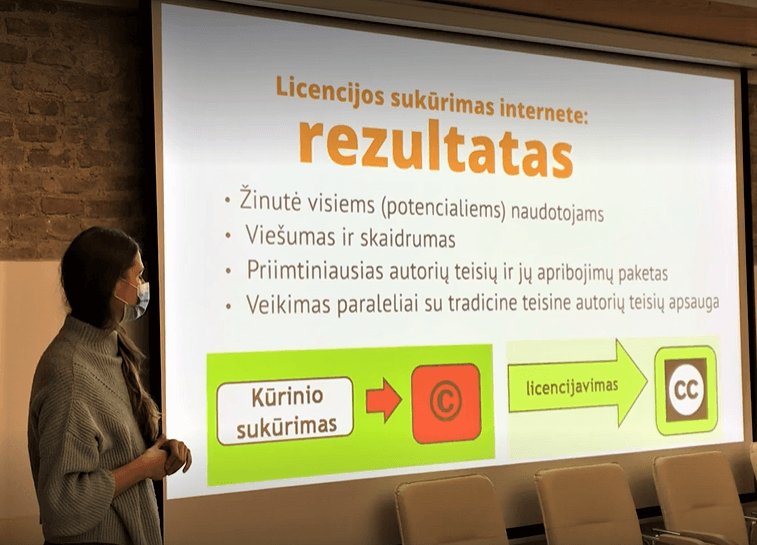
LIMIS Seminar "The Assignment and Labeling the Copyright Signs to the Digitized and Digital Cultural Heritage Objects"2022-01-18The Last Quarter Of 2021: Challenges And Future Perspectives For Digital MuseologyFew could have predicted the many challenges cultural institutions, and especially museums, have faced since the start of the Covid-19 pandemic. On the one hand, an experienced “shock therapy” of the first wave of lockdowns on the global and national scale has forced museums to react rapidly and to apply extraordinary measures in their activities: to re-think it's communication and digital advertising strategies; to diversify and adapt its digital content and collections in order to engage audience attention and improve its reachability due social platforms and other virtual networks. On the other hand, after the pandemic condition became more constant reality which would not be faded soon, museums could have an opportunity to focus on their internal institutional issues: from renovation and expansion of its physical premises to become reorganized and upgraded memory institutions in the new digital era.Read more...
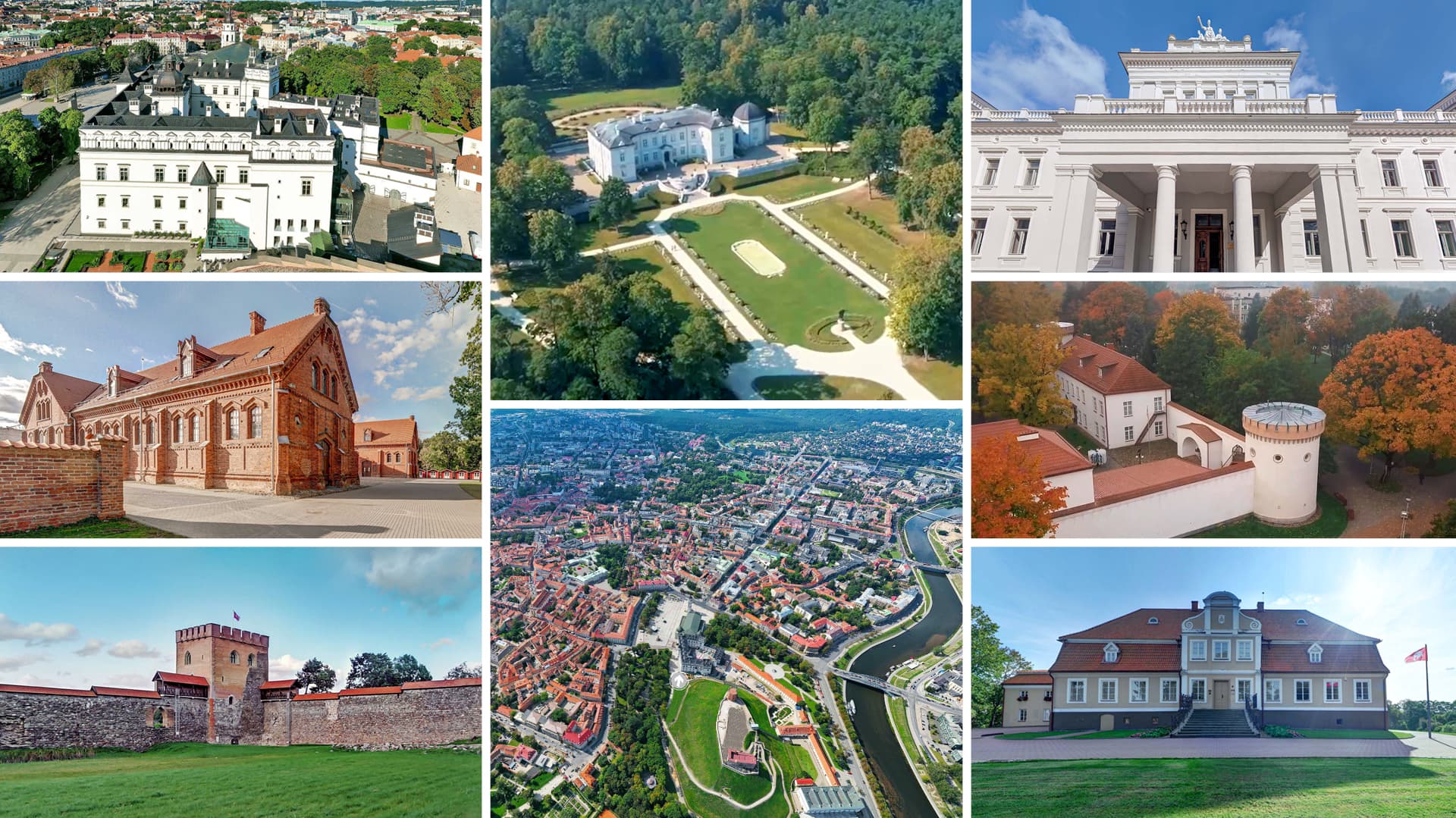
2021-04-11Perfect Timing: Lithuanian Museums’ Virtual Tours Which Helped to Lessen Lockdown EffectsIn March 2020, less than a few weeks after the start of COVID-19 lockdown in Lithuania, the Lithuanian Museums’ Centre for Information, Digitisation and LIMIS (LM CID LIMIS), branch of the Lithuanian National Museum of Art, introduced new Lithuanian museums’ virtual tours. Naturally, in the situation where options for physical cultural or leisure activities were suddenly gone, it was well-received by the public and quickly became popular on social media and other communication channels. Equally, for participating museums it was also an important element in their services repertoire what helped to respond to the increase in demand of digital cultural content.Read more...
2021-03-18Estonia To Provide Its Museums With A New Collection Management SystemIt has been more than ten years since Estonia launched the Museum Information System (MuIS) –a state-developed system free of charge for museums. From that day on Estonian museums have been able to do most of the traditional activities concerning collection management online: accessioning and deaccessioning, cataloguing objects, documenting loans, exhibitions and conservation processes. And that is not all. In addition to the aforementioned functionalities, MuIS has also been offering museums a digital repository for long-term preservation of digital content and a platform for introducing the collections to wider audiences.Read more...
2021-02-15Locked down not locked out: how the County Museum of Gävleborg (Länsmuseet Gävleborg) responded to COVID-19The pandemic has drastically changed the museum sector all over the world. Nowadays, many cultural intuitions have redirected their activities and engagements with communities into the digital realm. Such a shift facilitated new order in museology and the need for quick and constant digital transfer. How do museums cope with the new reality? What is the future of museology in the aftermath of Covid-19? These questions were directed to Hans Lindholm Öjmyr, a director of the County Museum of Gävleborg (Länsmuseet Gävleborg).Read more...
"When will Santa's list be digital?" by Kevin Dooley is licensed with CC BY 2.0.2021-01-16DigMus Mapping Stage: Progress ReportOver the last three months, the DigMus Team arranged several meetings to develop the questionnaire about the training needs in digital skills for museum professionals. To disseminate information about the initiative, Nadzeya Charapan presented the project during the Conference "Digital Humanities in the Nordic Countries" in October 2020.Read more...
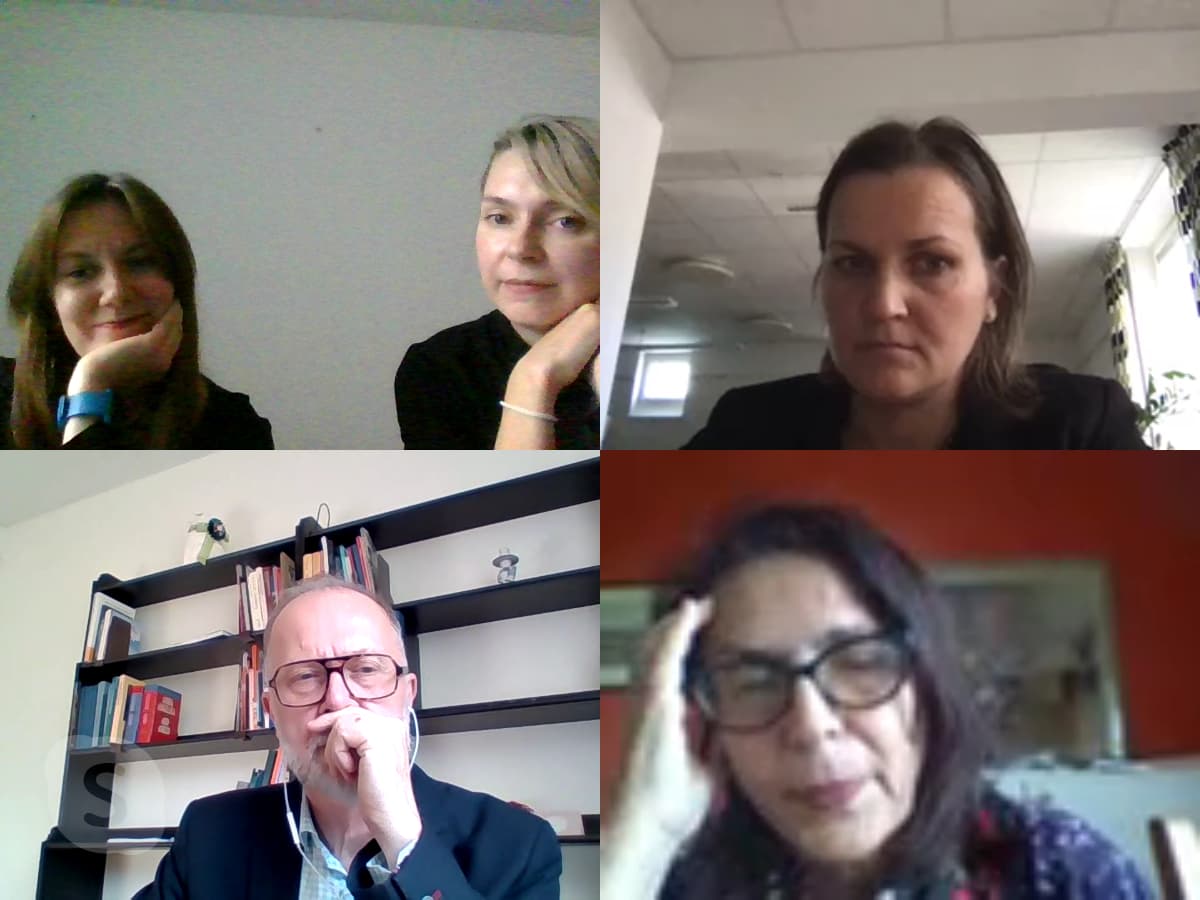
2020-10-17DigMus Kick-off MeetingKick-off meeting on the project DigMus took place on Skype on 23 September 2020. The partners presented the main orientations and perspectives for the development of the mapping stage of the project, scheduled for 2020-2021. The purpose of this first meeting was primarily the definition of work structures, work packages for the first year of the project, and getting to know each of the partner and institutional profiles.Read more...